

How to Distinguish Genuine Food-Grade PP? Essential Tips for Buying Lunch Boxes
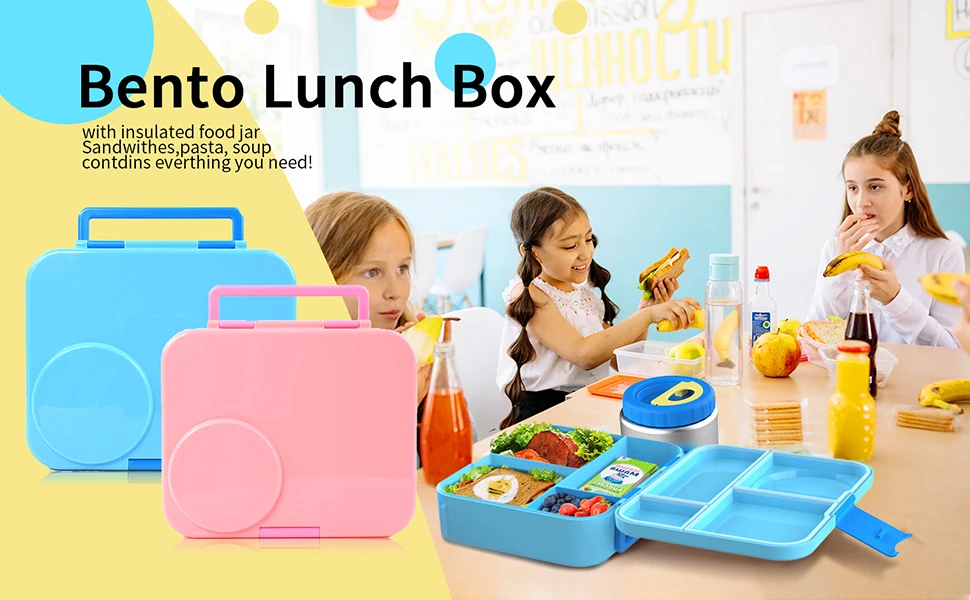
In the food packaging industry, polypropylene (PP) is a commonly used material for making lunch boxes due to its high-temperature resistance, non-toxicity, and corrosion resistance. However, there are some inferior or non-food-grade PP products on the market that may contain harmful additives, posing potential health risks with long-term use. So, how can you distinguish genuine food-grade PP lunch boxes? What key points should you pay attention to when making a purchase? This article will provide professional guidance in terms of material standards, label interpretation, and testing methods.
I. What is Food-Grade PP?
Food-grade PP (Polypropylene) must comply with national or international food safety standards, such as:
Chinese Standard: GB 4806.7-2016 "National Food Safety Standard for Plastic Materials and Products in Contact with Food"
US FDA Certification: Compliance with 21 CFR 177.1520
EU Standard: Compliance with EU 10/2011 Regulation on Food Contact Materials
Characteristics of Genuine Food-Grade PP:
✅ High-temperature resistance (usually can withstand 100℃ - 140℃)
✅ Free of bisphenol A (BPA-free), plasticizers, and other harmful substances
II. How to Distinguish Genuine Food-Grade PP Lunch Boxes?
1. Check Product Labels
Food-Grade Certification Marks: Such as the "QS" mark (China), FDA mark (US), LFGB certification (Germany), etc.
Triangle Recycling Mark: The material code for PP is "5" (♷), with "PP" written below.
Temperature Resistance Range: Regular products will indicate "microwave-safe" or "maximum temperature resistance of XX℃".
⚠ Warning: Lunch boxes without any labels or only marked with "PP" but without specific certifications may be industrial-grade PP and are not suitable for holding food.
2. Smell
Food-grade PP lunch boxes should have no pungent plastic odor. Inferior products may emit an unusual smell due to additive residues.
Testing Method: Soak the lunch box in hot water and then smell it. If there is a sour or chemical odor, it is advisable to discard it.
3. Observe Material and Workmanship
High-Quality PP: Smooth surface, no impurities, relatively high transparency (not pure white and cloudy).
Inferior PP: Yellowish color, black spots or a grainy feel, possibly mixed with recycled materials.
4. Test Temperature Resistance
Observe whether the lunch box deforms or emits an odor after being filled with boiling water or heated in a microwave.
Genuine food-grade PP should remain stable at reasonable temperatures (<=120℃).
5. Check Testing Reports
Major brands usually provide third-party testing reports (such as SGS, CTI), which can be requested from the seller.
Focus on migration testing (whether heavy metals, plasticizers, etc., are released).
III. Practical Suggestions for Buying PP Lunch Boxes
Give Priority to Major Brands: Such as Lock&Lock, Tupperware, Glasslock, etc., as their quality is more guaranteed.
Avoid Low-Priced Inferior Products: PP lunch boxes priced far below the market average may use recycled materials.
For microwave heating: Choose products marked "microwave-safe".
For sealing performance: Pay attention to whether there is a silicone sealing ring.
Replace Regularly: Even food-grade PP may develop scratches or aging after long-term use. It is recommended to replace it every 1-2 years.
IV. Industry Warning: Risks of Inferior PP Lunch Boxes
Release of Harmful Substances at High Temperatures: Inferior PP may release formaldehyde and plasticizers, posing risks to the liver and endocrine system.
Contamination from Recycled Materials: PP lunch boxes made from industrial waste may contain heavy metals and dye residues.
False Advertising: Some merchants claim "eco-friendly PP" but have no certifications, so be cautious and verify.
When buying a PP lunch box, be sure to look for food-grade certifications, observe material details, and exclude inferior products through simple tests (such as smelling and temperature resistance tests). Health is no small matter. Investing in a safe and reliable PP lunch box will make your daily diet more reassuring!
Tip: If you are unsure about the safety of a lunch box, you can temporarily use glass or ceramic containers to reduce risks.


